October 7, 2025
In a world obsessed with motion, the ability to slow down has quietly become an art form — and, perhaps, the truest luxury. Today’s travelers are discovering that meaningful experiences aren’t found in how many destinations you visit, but in how deeply you experience the ones you do. The rise of slow travel isn’t a passing trend; it’s a response to a generation of people craving depth over speed, stillness over schedules.
Slow travel doesn’t mean abandoning adventure — it means letting go of the race to “see it all.” It’s about staying long enough to notice details: the way morning light hits the terrace, how coffee tastes when you drink it without checking your phone, or the rhythm of local life unfolding outside your window. When you travel slowly, you give time permission to expand again.
Why Doing Less Makes Travel More Meaningful
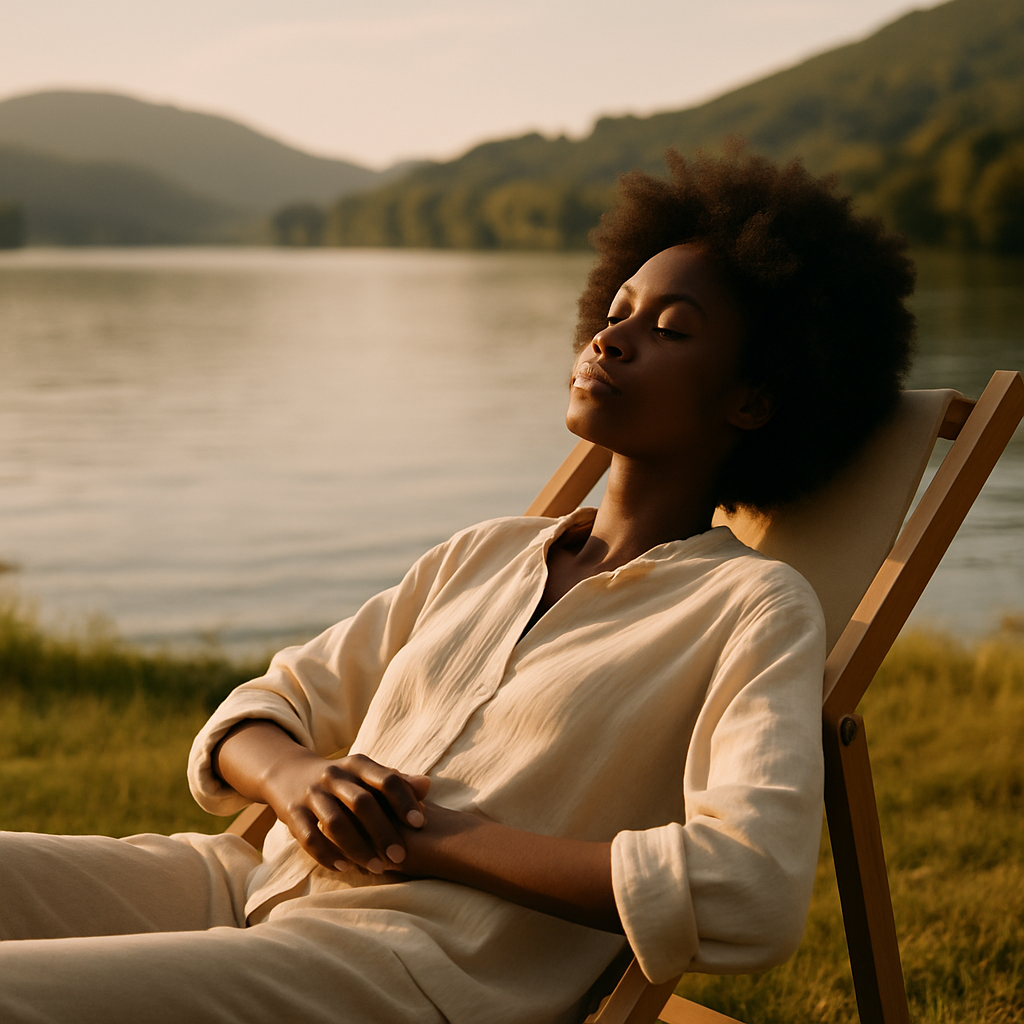
When you fill every hour of a trip with activity, you leave no space for the unexpected — the chance encounter, the unplanned discovery, the conversation that changes your perspective. Rest isn’t wasted time; it’s what allows the mind to process experience into memory. In slowing down, you see things as they are, not as they fit into a checklist. You begin to realize that travel isn’t just about movement — it’s about stillness. A lazy afternoon on a shaded terrace might teach you more about a place than a full day of sightseeing. The secret? When you rest, your senses wake up.How to Practice Slow Travel
- Stay longer, move less. Instead of five cities in five days, try one for a week.
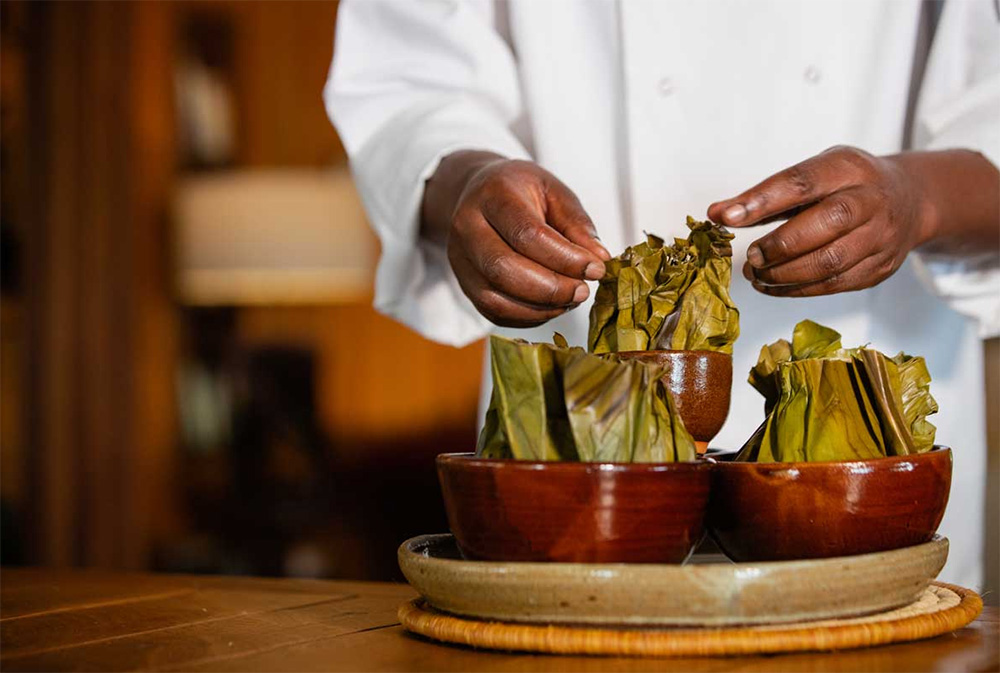
- Eat slowly. Choose restaurants where meals are served with care, not haste.
- Talk to locals. Ask for stories, not directions – it’s the quickest way to understand a culture.
- Leave blank space. Resist the urge to fill every moment; boredom is where curiosity begins.
- Disconnect to reconnect. Put the camera down, look up, and actually see.